
Mango Export in Kenya: Opportunities, Challenges & Global Market Potential
Kenya’s Growing Mango Export Industry
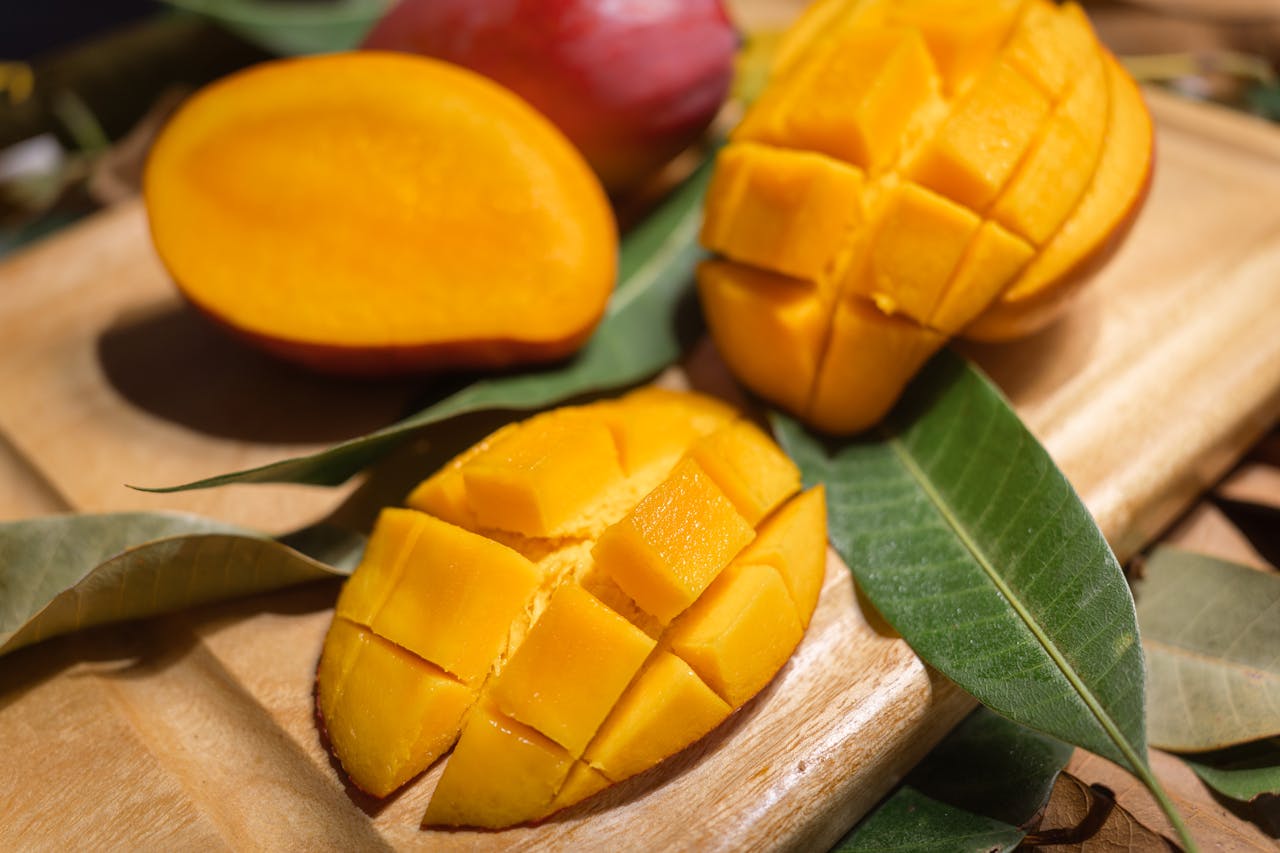
Kenya has emerged as one of Africa’s promising mango-producing countries, supplying both regional and international markets with high-quality fresh mangoes. With favorable climate conditions, fertile soils, and expanding farmer networks, the country continues to strengthen its position in the global horticultural sector.
Mangoes are among the most consumed tropical fruits worldwide, and demand continues to rise in Europe, the Middle East, and Asia due to increasing consumer interest in healthy, natural, and exotic fruits.
For exporters, mangoes present a significant opportunity for profitability, value addition, and long-term international trade partnerships.
Main Mango Growing Regions in Kenya
Kenya’s mango production is concentrated in semi-arid and warm regions that provide ideal growing conditions.
Major mango-producing counties include:
-
Makueni
-
Kitui
-
Machakos
-
Embu
-
Kilifi
-
Kwale
-
Tana River
These regions produce large volumes during the mango season, creating strong opportunities for export and processing.
Popular Mango Varieties for Export
Several mango varieties grown in Kenya are suitable for export markets.
Kent Mango
Known for:
-
Excellent sweetness
-
Low fiber
-
Good shelf life
-
Attractive color
Kent mangoes are highly preferred in European markets.
Keitt Mango
Popular because of:
-
Large fruit size
-
Strong transport tolerance
-
Long shelf life
Apple Mango
Widely consumed regionally and locally due to its rich flavor and aroma.
Tommy Atkins
Favored for export logistics because of its durability during transportation.
Export Markets for Kenyan Mangoes
Middle East Market
Countries such as:
-
United Arab Emirates
-
Saudi Arabia
-
Qatar
-
Oman
offer fast-growing demand for fresh Kenyan mangoes.
The Middle East market is attractive due to:
-
Lower entry barriers
-
Strong demand
-
Faster logistics
-
Competitive pricing
European Market
European countries such as:
-
Netherlands
-
Germany
-
United Kingdom
-
France
offer premium prices but require strict compliance standards.
Exporters targeting Europe must focus on:
-
Food safety
-
Traceability
-
Low pesticide residues
-
Proper cold chain management
Key Requirements for Mango Export in Kenya
Successful mango export businesses must comply with several regulatory requirements.
Essential Certifications and Registrations
Exporters typically require:
-
Horticultural export licensing
-
Phytosanitary certification
-
Proper packing house compliance
-
Traceability systems
Additional certifications that improve market access include:
-
GlobalGAP
-
GRASP
-
HACCP
-
SMETA
These certifications help build buyer confidence and improve competitiveness in premium markets.
The Mango Export Process
1. Sourcing
Exporters work directly with farmers, cooperatives, or aggregators to secure quality fruit supply.
2. Harvesting
Mangoes are harvested at mature green stage to maximize shelf life.
3. Sorting and Grading
Fruit is sorted according to:
-
Size
-
Color
-
Maturity
-
Defects
4. Washing and Treatment
Mangoes are cleaned and sanitized before packing.
5. Packaging
Common export packaging includes:
-
4kg cartons
-
6kg cartons
Proper ventilation and protection are critical during transportation.
6. Cold Chain Management
Maintaining temperature throughout the supply chain helps preserve fruit quality and reduce losses.
7. Export Logistics
Mangoes can be exported through:
-
Air freight
-
Sea reefer containers
depending on market destination and buyer requirements.
Challenges Facing Mango Exporters
Despite the opportunities, exporters face several challenges.
Fruit Fly Infestation
Fruit fly is one of the biggest barriers to export, especially to Europe.
Effective control measures include:
-
Orchard sanitation
-
Monitoring traps
-
Integrated pest management
-
Hot water treatment
Post-Harvest Losses
Poor handling and weak cold chain systems can lead to significant losses.
Market Price Fluctuations
Prices vary depending on:
-
Seasonal supply
-
International demand
-
Competition from other countries
Value Addition: The Future of Mango Exports
One of the biggest opportunities in Kenya’s mango sector is value addition.
Instead of exporting only fresh fruit, companies are increasingly investing in processed mango products.
Freeze-Dried Mango
Freeze drying preserves:
-
Flavor
-
Nutritional value
-
Shelf life
while creating premium export products with higher profit margins.
Dried Mango Slices
Healthy snack demand is growing rapidly worldwide.
Mango Puree and Concentrates
Used in:
-
Juice manufacturing
-
Baby foods
-
Dairy products
-
Confectionery
Frozen Mango (IQF)
Highly demanded by smoothie and dessert manufacturers.
Why Mango Export Has Strong Potential in Kenya
Kenya possesses several competitive advantages:
-
Favorable climate
-
Year-round production in different regions
-
Growing farmer base
-
Strategic export location
-
Expanding logistics infrastructure
With increasing global demand for tropical fruits and processed fruit products, mango exports remain one of the most promising agribusiness opportunities in the country.
Conclusion
The mango export industry in Kenya continues to offer exciting opportunities for exporters, farmers, investors, and processors. By focusing on quality, compliance, cold chain management, and value addition, Kenyan exporters can strengthen their presence in international markets and increase profitability.
As global consumers continue seeking healthy and natural food products, Kenyan mangoes are well-positioned to become an even stronger player in the international fruit trade.