
A Country Blessed by Nature
Kenya is one of the few countries in the world blessed with an incredibly diverse tropical climate capable of supporting year-round agricultural production. From the cool highlands of Central Kenya to the warm coastal regions and fertile Rift Valley plains, the country possesses conditions many agricultural economies can only dream of.
Yet despite this enormous natural advantage, Kenya has only scratched the surface of its agricultural potential.
For decades, discussions about Kenya’s economy have focused heavily on technology, tourism, and urban growth. But quietly beneath all of this lies one of the nation’s greatest assets — its climate.
A resource so powerful that, if fully utilized, could transform Kenya into one of the world’s leading food production and export hubs.
Agriculture Without Harsh Winters
Unlike many major agricultural countries that face long, destructive winters, Kenya enjoys relatively stable growing conditions throughout the year.
This means:
- Multiple harvest seasons
- Continuous production cycles
- Year-round labor utilization
- Faster crop turnover
- Reduced heating costs
- Diverse crop production
While farmers in many parts of the world struggle with snow, frozen soils, and short growing seasons, Kenyan farmers can continue producing fruits and vegetables almost all year.
This gives Kenya a major global advantage in agricultural exports.
A Climate That Supports Almost Everything
Few countries can grow such a wide variety of crops successfully.
Kenya’s tropical and subtropical climate supports:
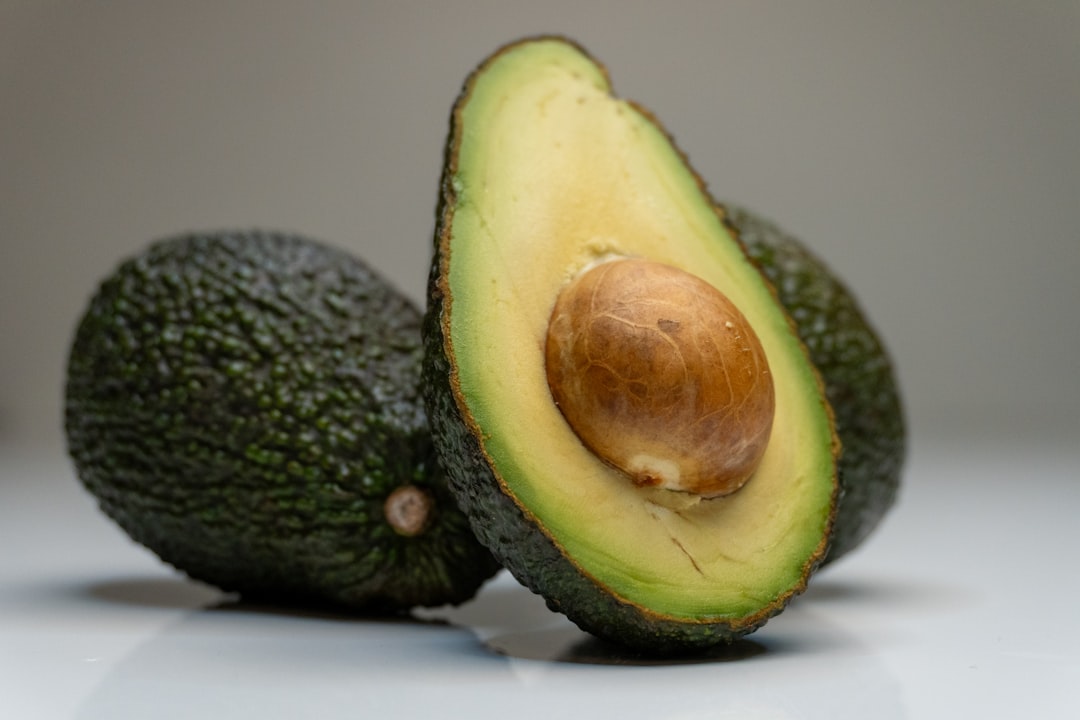
- Avocados
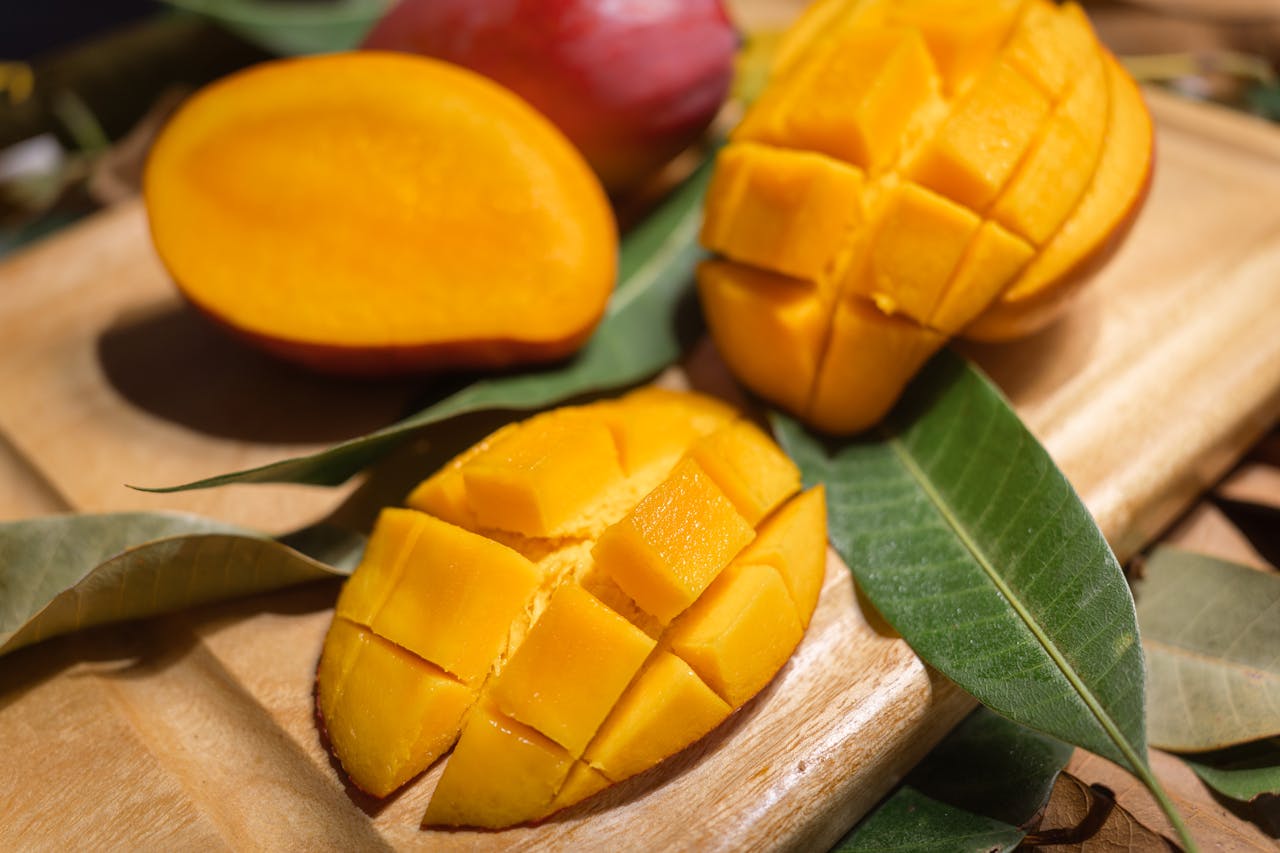
- Mangoes
- Pineapples
- Passion fruits
- Macadamia
- Coffee
- Tea
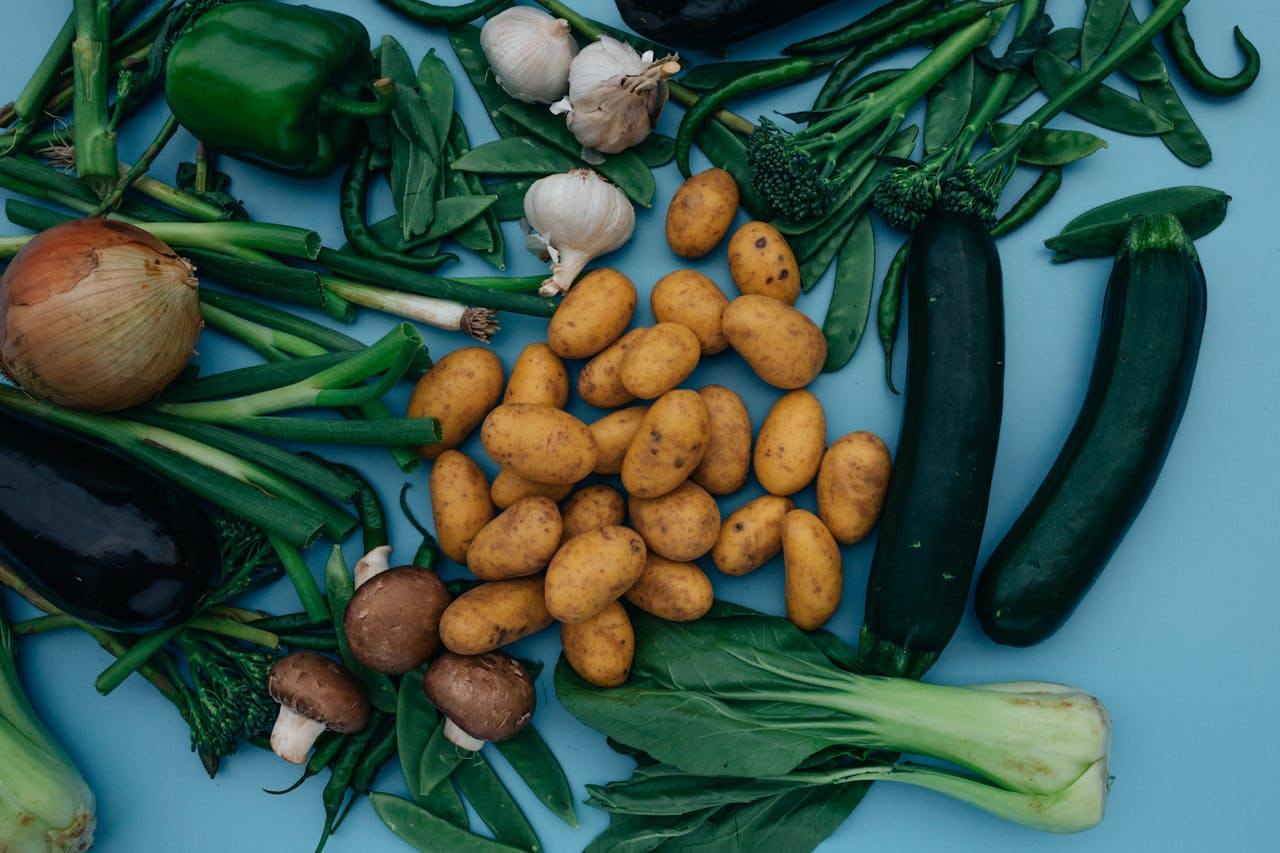
- Vegetables
- Herbs
- Flowers
- Bananas
and many more high-value crops.
Different regions offer different microclimates, making the country naturally diversified for agriculture.
This diversity reduces dependence on a single crop and creates enormous export opportunities.
The Untapped Power of Value Addition
One of the biggest missed opportunities in Kenya is value addition.
For years, the country has mainly exported raw agricultural products while other countries process them into high-value goods.
Imagine the potential if Kenya scaled:
- Freeze-dried fruits
- Avocado oil
- Fruit concentrates
- Dried tropical snacks
- Organic food ingredients
- Plant-based food products
Instead of exporting raw produce only, Kenya could become a global processing center for tropical agricultural products.
The climate already provides the raw materials consistently.
Kenya’s Position in the Global Food Market
The world is changing rapidly.
Consumers are increasingly demanding:
- Healthy foods
- Organic products
- Natural ingredients
- Tropical fruits
- Sustainable sourcing
At the same time, climate change is affecting food production in many regions worldwide.
This creates a unique opportunity for Kenya.
With proper investment in:
- Irrigation
- Cold chain
- Processing
- Certifications
- Export logistics
Kenya could become one of the world’s most important suppliers of tropical agricultural products.
Why the Potential Remains Untapped
Despite its advantages, several challenges continue limiting Kenya’s agricultural transformation.
Limited Processing Capacity
Much of the produce is still exported raw.
Inadequate Cold Chain Infrastructure
Post-harvest losses remain high.
Financing Challenges
Many farmers and agribusinesses struggle to access affordable capital.
Weak Farmer Organization
Smallholder fragmentation affects consistency and volumes.
Overdependence on Traditional Farming
Modern agritech adoption remains relatively low.
The Youth Opportunity
Agriculture in Kenya has long been viewed as a “village activity.” But that perception is changing.
Young entrepreneurs are now entering:
- Agritech
- Export farming
- Food processing
- Greenhouse farming
- Value-added agriculture
With technology, branding, and export knowledge, the younger generation could unlock enormous value from Kenya’s climate advantage.
Agriculture is no longer just farming — it is global business.
The Export Advantage
Kenya’s geographical position also strengthens its competitiveness.
The country has access to:
- International airports
- Sea freight routes
- Regional trade markets
- European export corridors
- Middle East logistics networks
Combined with year-round production, this positions Kenya as a strategic agricultural export hub.
The Future of Kenya’s Green Economy
As the world moves toward sustainability and climate-conscious food systems, Kenya has the potential to lead Africa’s green agricultural economy.
The country already has:
- Fertile land
- Favorable weather
- Entrepreneurial farmers
- Growing export expertise
- Expanding international demand
What remains is large-scale investment, modernization, and long-term strategic planning.
Conclusion
Kenya’s tropical climate is more than just favorable weather — it is one of the country’s greatest untapped economic assets.
Few nations possess the natural ability to produce such a wide range of high-value crops throughout the year. Yet the full economic potential of this advantage remains largely underdeveloped.
With the right investments in processing, logistics, technology, and export systems, Kenya could become one of the world’s leading agricultural powerhouses.
The opportunity is already here.
Nature has already done its part.
The question is whether the country will fully embrace and utilize the advantage it has been given.